Product Engineering Manager
I leverage AI to accelerate development cycles, enhance team productivity, and deliver innovative solutions faster.
Affiliation




Berkeley School of Information
MIMS@UC Berkeley
I am a Master's student at UC Berkeley's School of Information, specializing in Ethical AI and Sustainable Product Design. I leverage behavioral science to understand how people interact within systems, which helps me build tools that better support their needs. With a full-stack engineering background and foundation in actuarial science, I'm pursuing product engineering management to combine technical expertise with human-centered design. I am applying AI to transform business workflow, building data-driven solutions for real people.
Arizona State University
Mastercard Foundation@ASU
I worked as Program Coordinator and Digital Asset Manager at Arizona State University, where I led technical operations for the Mastercard Foundation Scholars Program. I managed virtual community events and summits, ensuring seamless experiences for speakers and attendees through proactive platform management and real-time troubleshooting. I designed automated digital asset management system that streamlined content organization and retrieval, improving team productivity and accelerating educational resource delivery. My work focused on leveraging technology to scale program impact and create meaningful connections within our global scholar network.
Actuarial Science@KNUST
I earned my Bachelor of Science in Actuarial Science from KNUST, where I developed a strong foundation in statistical modeling and risk analysis. My research focused on investor herding behavior in forex markets, where I conducted statistical analysis using R to model behavior patterns across 14 international forex markets. My findings revealed that traders consistently followed herd mentality rather than making data-driven decisions, demonstrating how psychological factors override rational analysis in financial markets. This research sparked my interest in understanding human behavior within complex systems, shaping my focus on building AI solutions that account for how people actually make decisions.
Explore my work and projects
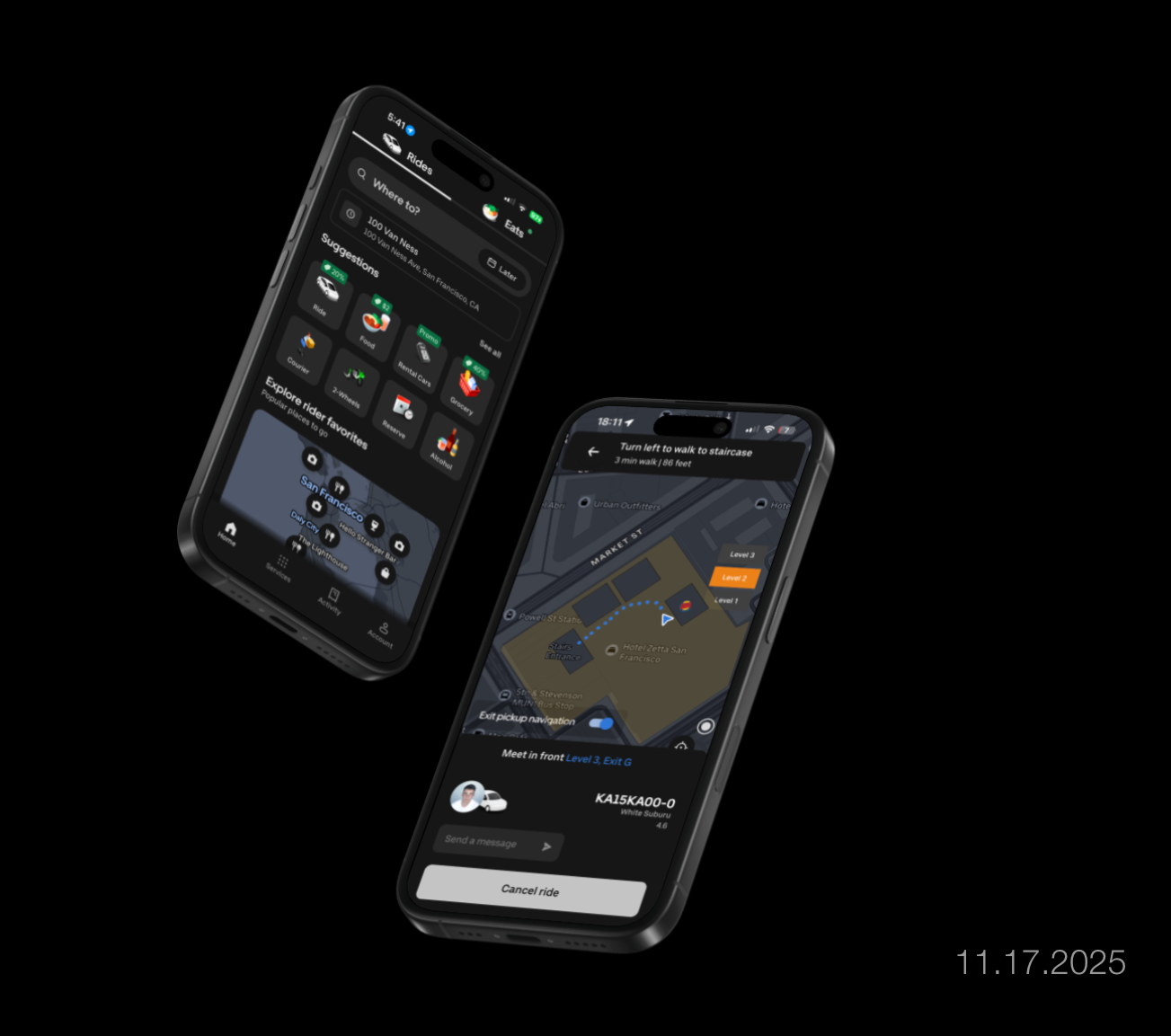
Reimagining Uber's Pickup Experience: A UX Research Study
Despite Uber processing over 25 million rides daily, the pickup experience remains the most friction-filled moment in the rider journey, with mismatched expectations between drivers and passengers leading to cancellations, delays, and frustration.This UX research project investigates pain points in Uber's current pickup flow through comprehensive user research, identifying how communication breakdowns, location ambiguity, and cognitive overload during the critical pickup window create anxiety for both riders and drivers. The study examines how riders struggle with identifying vehicles in crowded areas, determining optimal pickup spots, and coordinating with drivers in real-time, while drivers face challenges navigating to precise locations and managing impatient passengers.Through competitive analysis of Lyft, Grab, and emerging mobility platforms, the research identifies best practices and innovative solutions for streamlining pickups, including AR-based vehicle identification, predictive pickup spot recommendations, and enhanced visual communication tools.The project proposes a redesigned pickup interface that reduces cognitive load through progressive disclosure, provides contextual awareness for both parties, and introduces smart defaults based on location patterns and user preferences. By addressing this critical touchpoint in the ride-sharing experience, the redesign demonstrates how thoughtful UX interventions can transform moments of uncertainty into seamless interactions, ultimately improving satisfaction, reducing cancellations, and strengthening trust in the platform.
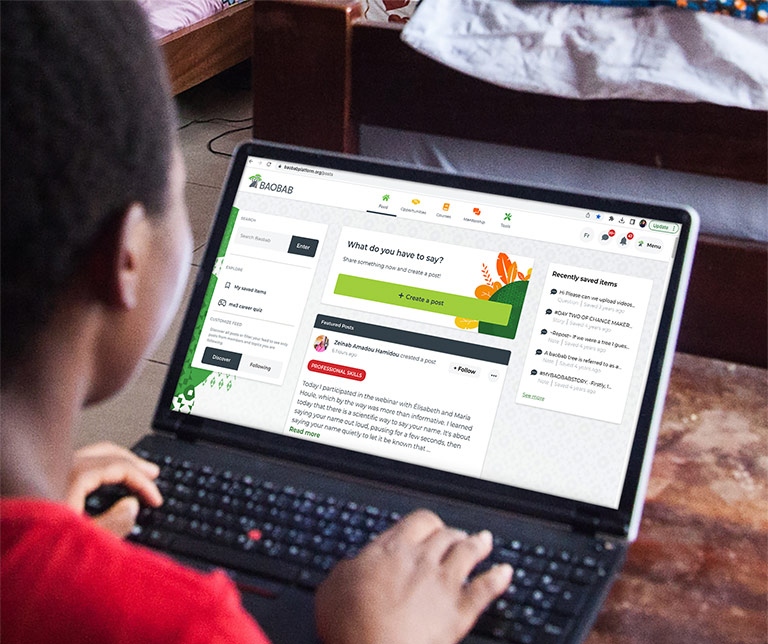
The Mastercard Foundation Platform Chat Redesign
To access the prototype link, use this password: baobab2024.When 90% of user conversations migrate from your platform to WhatsApp, you're witnessing a product failure. This was the reality confronting Baobab Chat, a communication feature serving 10,000+ MasterCard Foundation scholars across Africa, where users wanted to connect within their trusted community but were forced elsewhere by fundamental functionality gaps.Through 20+ user interviews, a clear pattern emerged. Users would discover connections through posts, send messages, then wait 2 to 7 days for responses compared to the sub hour expectation of modern messaging. Without read receipts or delivery confirmations, they existed in communication limbo before inevitably requesting WhatsApp contacts. One user discovered messages from November during our December interview. Another tested both platforms simultaneously, finding WhatsApp enabled real time conversation while Baobab stretched the same discussion across days.The research revealed three critical failures: notifications permanently displaying "99+" making new messages invisible, user discovery limited to those actively posting with no career or institutional filtering, and direct messages buried below group chats contrary to user expectations. The technical team couldn't justify investment without user engagement, yet users wouldn't engage without basic features.I built a functional Next.js prototype using Cursor AI for rapid iteration, implementing targeted improvements based on user priorities: career based discovery filters, organized chat categories, activity status indicators, and organization pages for institution based networking. Testing followed agile sprints, with each iteration refining features based on feedback.Users rated the prototype 8 to 10 out of 10, with one professional stating they'd use it more than LinkedIn. Critically, users weren't excited about innovation but thrilled by basics like knowing when someone was last active or finding scholars from specific universities. This validation enabled clear MVP prioritization: email notifications with sender names took priority while voice calling was deferred.By focusing on improving user flow with engagement motivations and implementing personal notifications for each message, the roadmap addressed core problems without scope creep. The projected impact includes 3 to 5x engagement increase and 80% reduction in conversation abandonment.This case demonstrates how lean product management combined with rapid prototyping can break resource allocation deadlocks and transform struggling features into validated strategies. By starting with user problems rather than assumed solutions and letting data drive decisions, even resource constrained teams can deliver meaningful impact.

Real Estate Investment
Nerivale is real estate fractional ownership platform that allows people to invest in real estate with minimal investment while creating affordable housing for people who need them. Through fractional ownership, you can start building your portfolio with what you have. Join the waitlist to be among the first to access these investment opportunities.
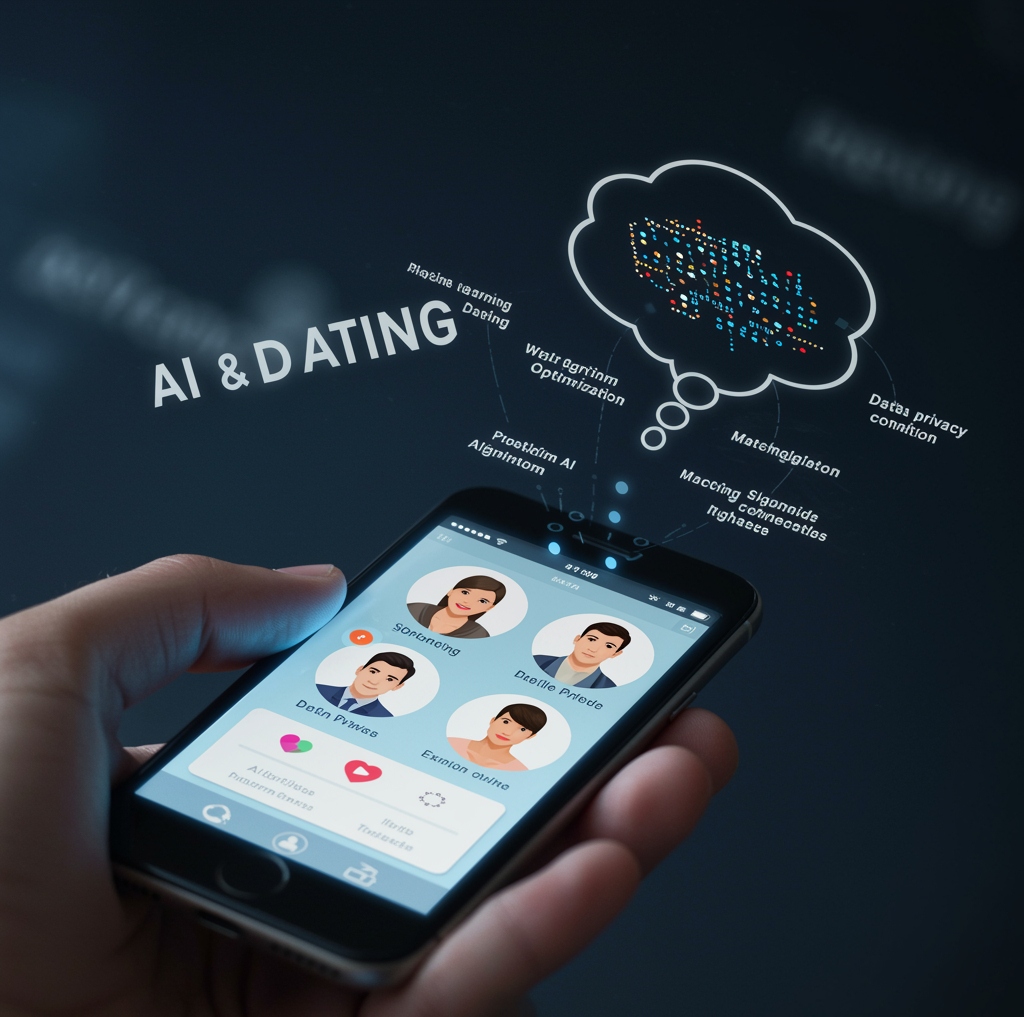
AI & Dating: Understanding Algorithmic Influence in Modern Romance
Dating apps have become the primary way romantic relationships begin, with over 40% of couples now meeting online through algorithmic matching systems. Yet despite mediating humanity's most intimate decisions, these AI-driven platforms operate with minimal transparency about how their algorithms shape partner selection, reinforce social biases, and influence relationship outcomes. This capstone project will investigate how artificial intelligence in dating apps affects college students' romantic decision-making, exploring the critical gaps between what users authentically seek in relationships and how algorithms optimize for engagement metrics.The research aims to uncover patterns of manipulation, trust, and authenticity in AI-mediated connections, while examining how algorithmic recommendations fundamentally alter self-presentation strategies and partner selection behaviors.By developing both a comprehensive ethical framework for AI in romantic contexts and a prototype algorithmic transparency tool, the project will demonstrate how design interventions can restore user autonomy while preserving the accessibility benefits of digital dating. This work addresses urgent questions about algorithmic governance in intimate domains, proposing that transparent, user-centered design in dating technology isn't just ethically necessary but essential for fostering genuine human connection in an increasingly AI-mediated world.
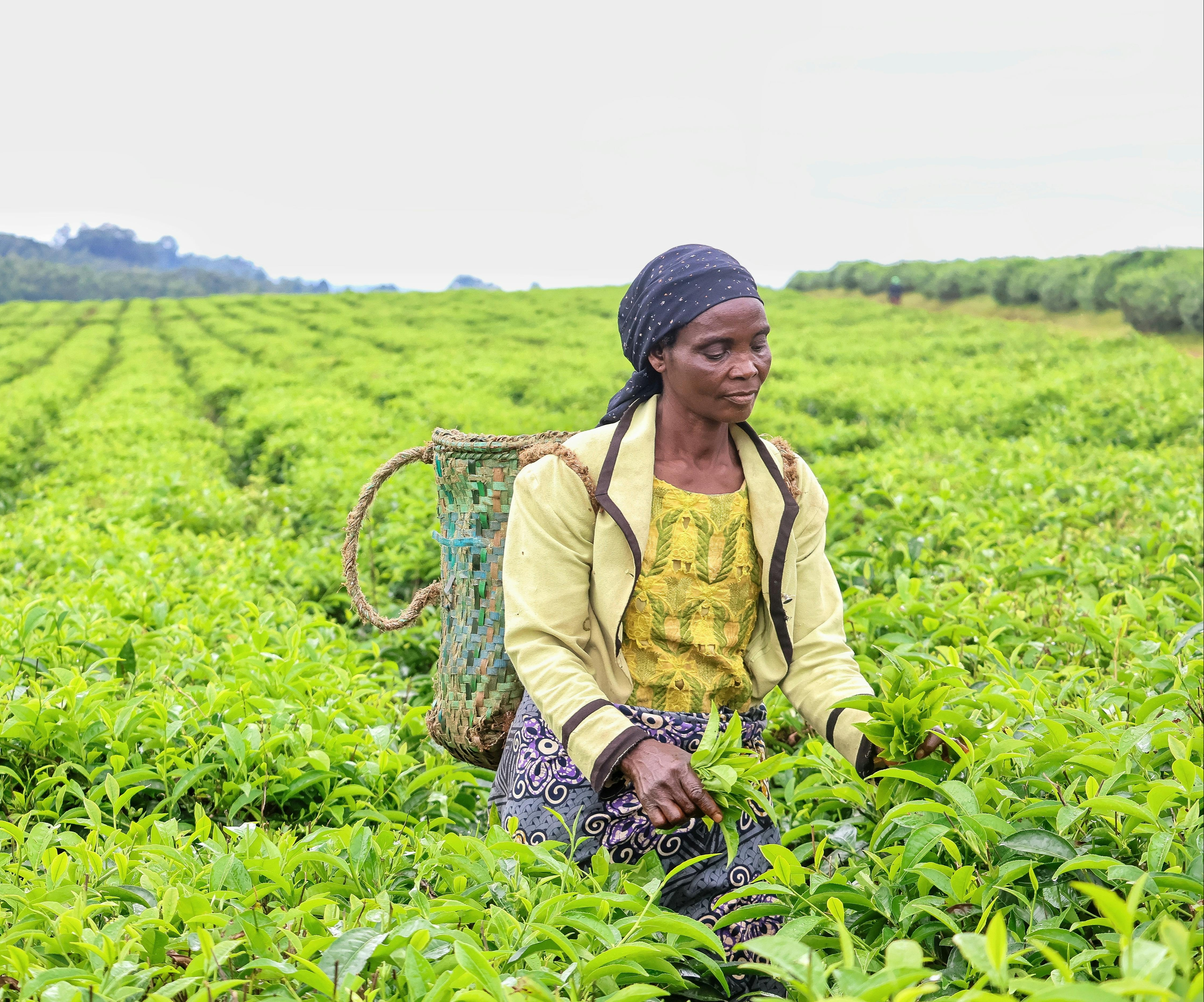
Cultiflow
Cultiflow is an AI-powered crowdfarming platform addressing the $170 billion financing gap that prevents smallholder farmers from scaling their operations. Despite producing 70% of the world's food, these farmers remain excluded from traditional financial systems, with 80% lacking access to formal credit. Cultiflow solves this by connecting everyday investors directly with farmers in Ghana, enabling investments starting from just $50. The platform uses data analytics to track farm performance, predict yields, and provide transparent reporting to investors, while farmers receive the upfront capital they need for seeds, fertilizers, and equipment. By removing intermediaries and leveraging technology for risk assessment and monitoring, Cultiflow makes agricultural investment accessible to retail investors while providing farmers with fair, timely financing. This model transforms subsistence farming into profitable agribusiness, creating sustainable livelihoods for farmers and attractive returns for investors. Since launch, the platform has demonstrated that technology can bridge the gap between global capital markets and local farming communities, proving that financial inclusion in agriculture is not just possible but profitable for all stakeholders involved.
Let's Build Something Together
Have a project idea? I'm always excited to collaborate on innovative solutions that make a difference.
Fast Delivery
Leveraging AI-powered tools to accelerate development cycles and deliver innovative solutions faster than traditional approaches.
End-to-End Expertise
Full product lifecycle support from concept and user research to technical architecture and market launch.
Proven Results
Successfully shipped products with paying customers, achieving product-market fit and high user satisfaction.
Berkeley Engagements
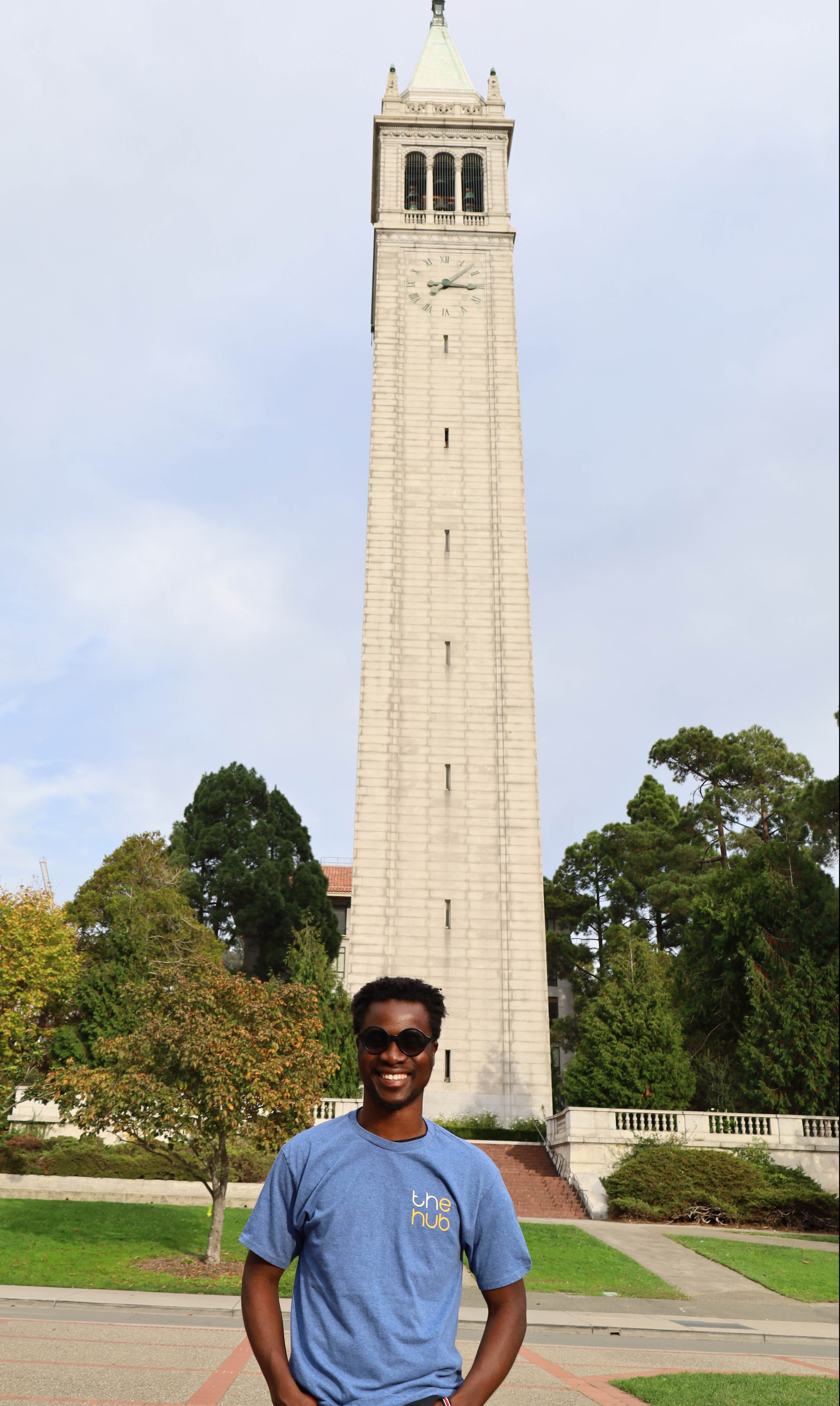
Berkeley Campanile
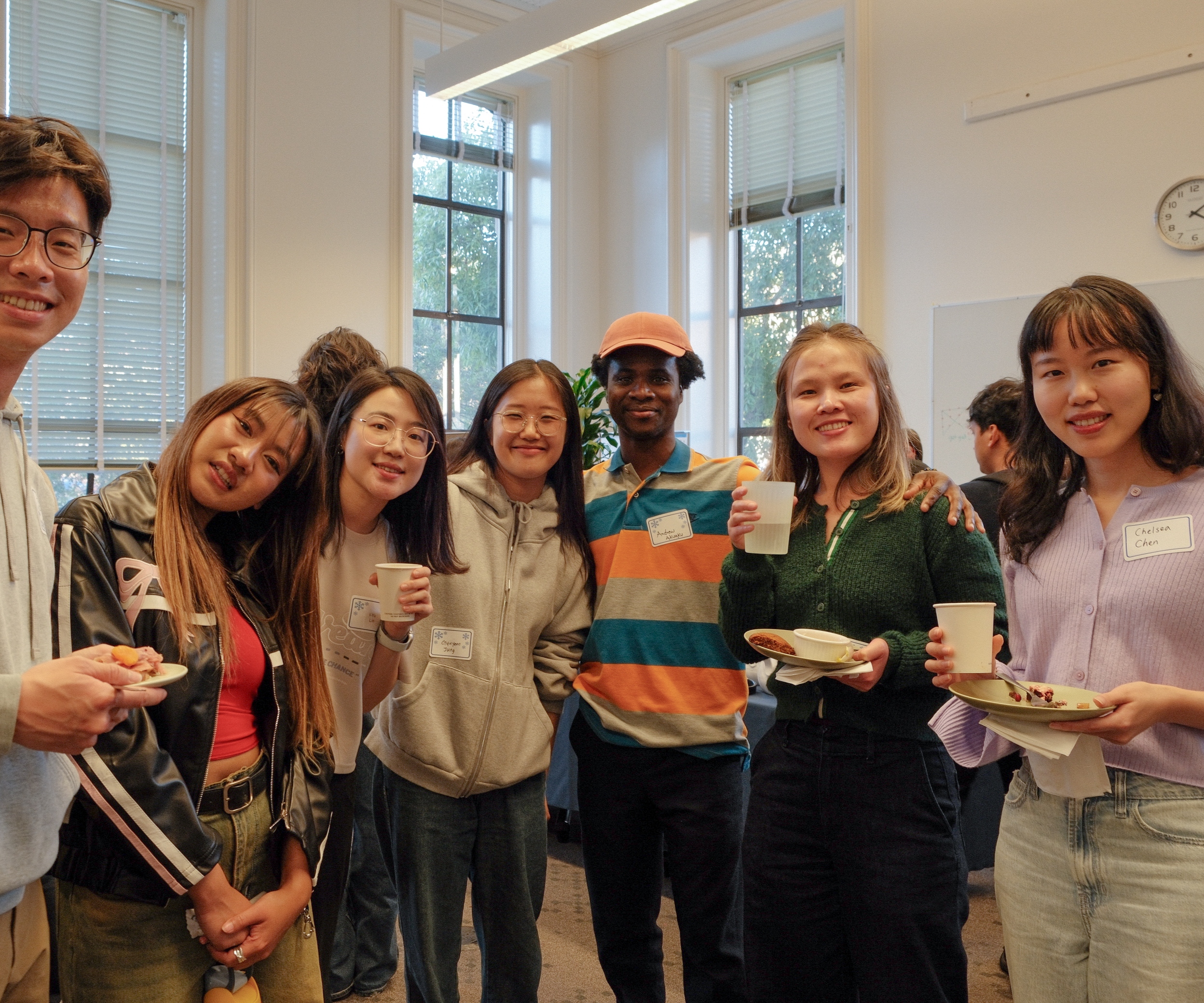
MIMS Celebrations
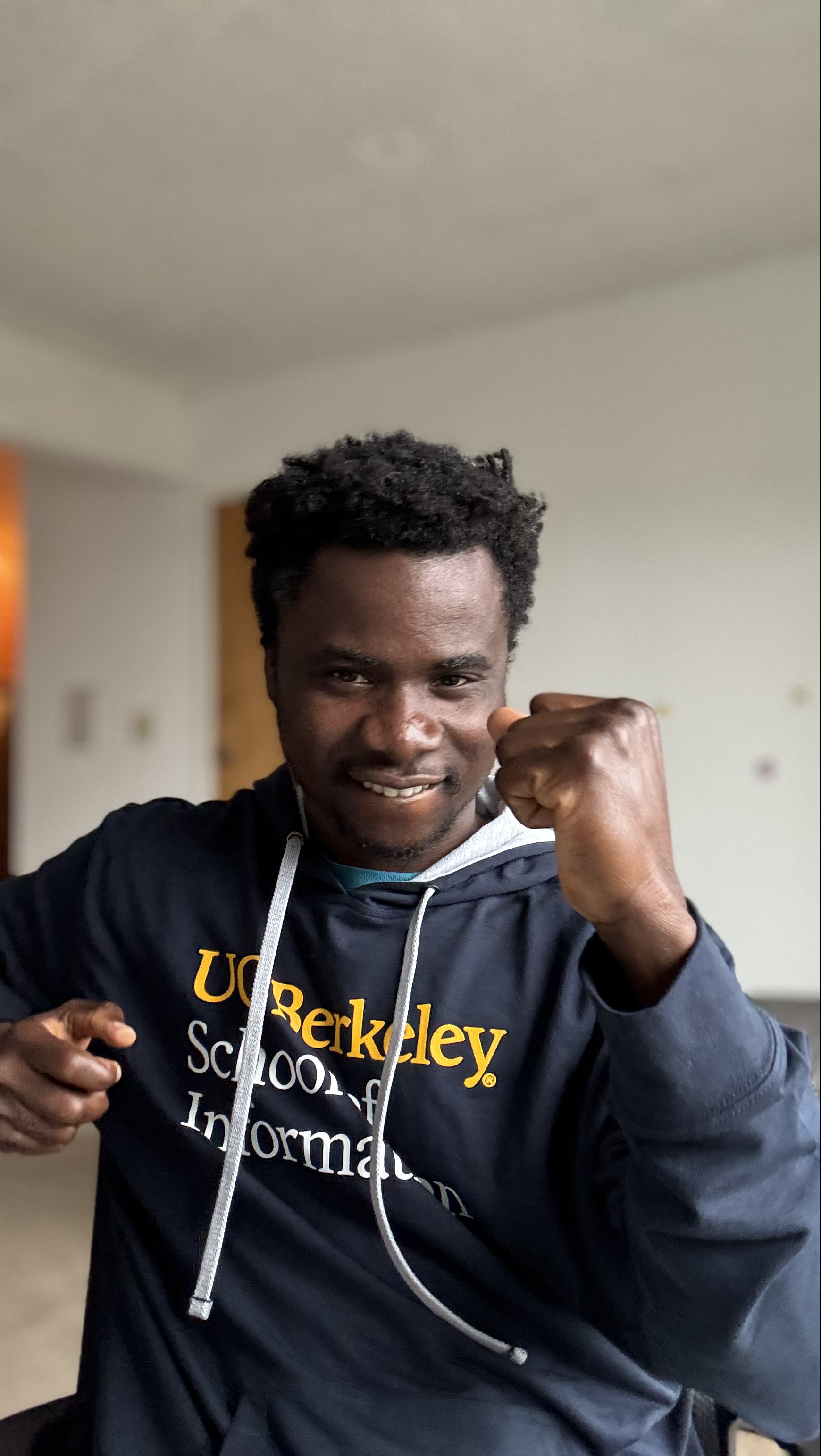
The Bear Spirit
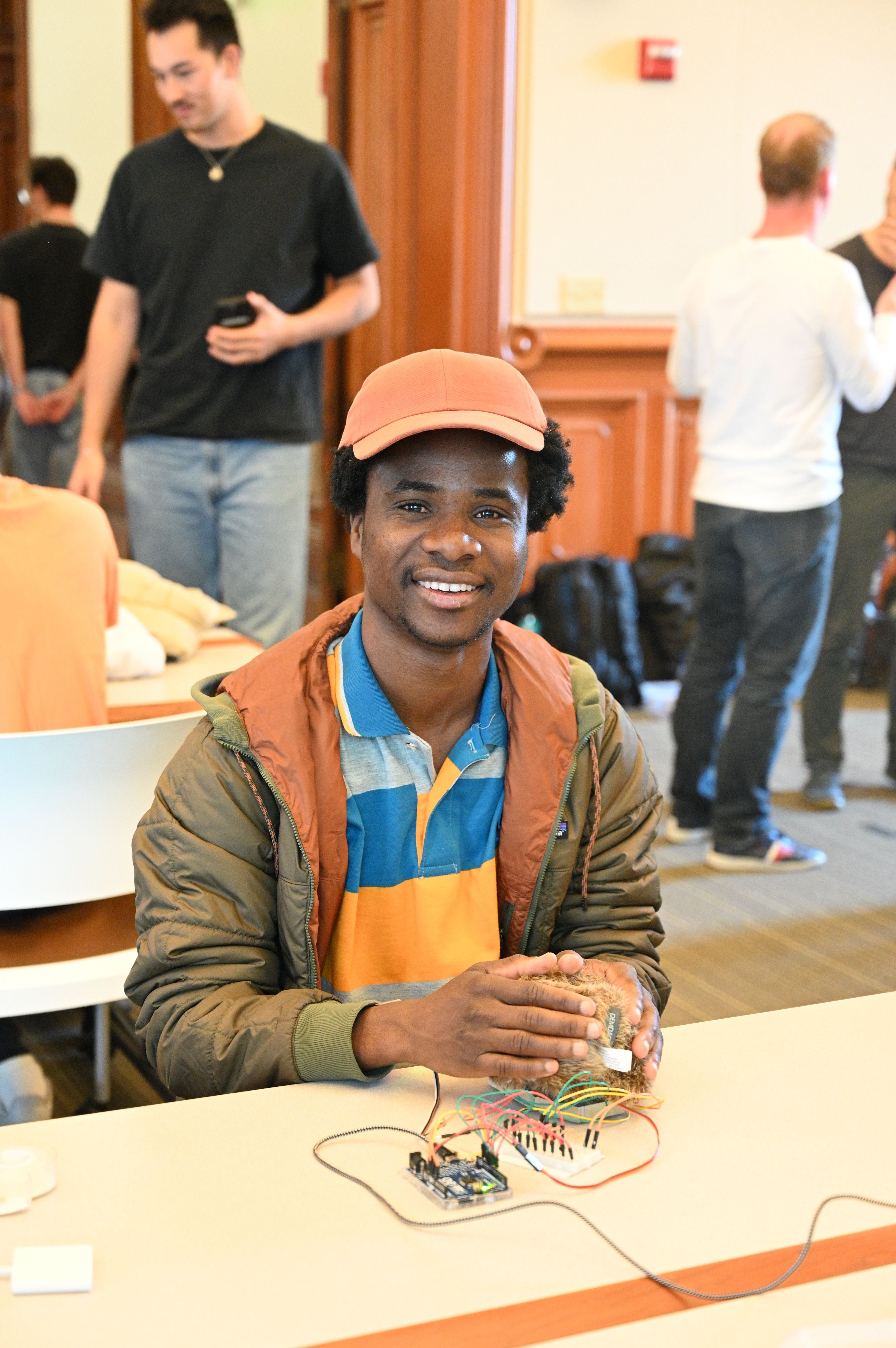
Tangible User Interface Project
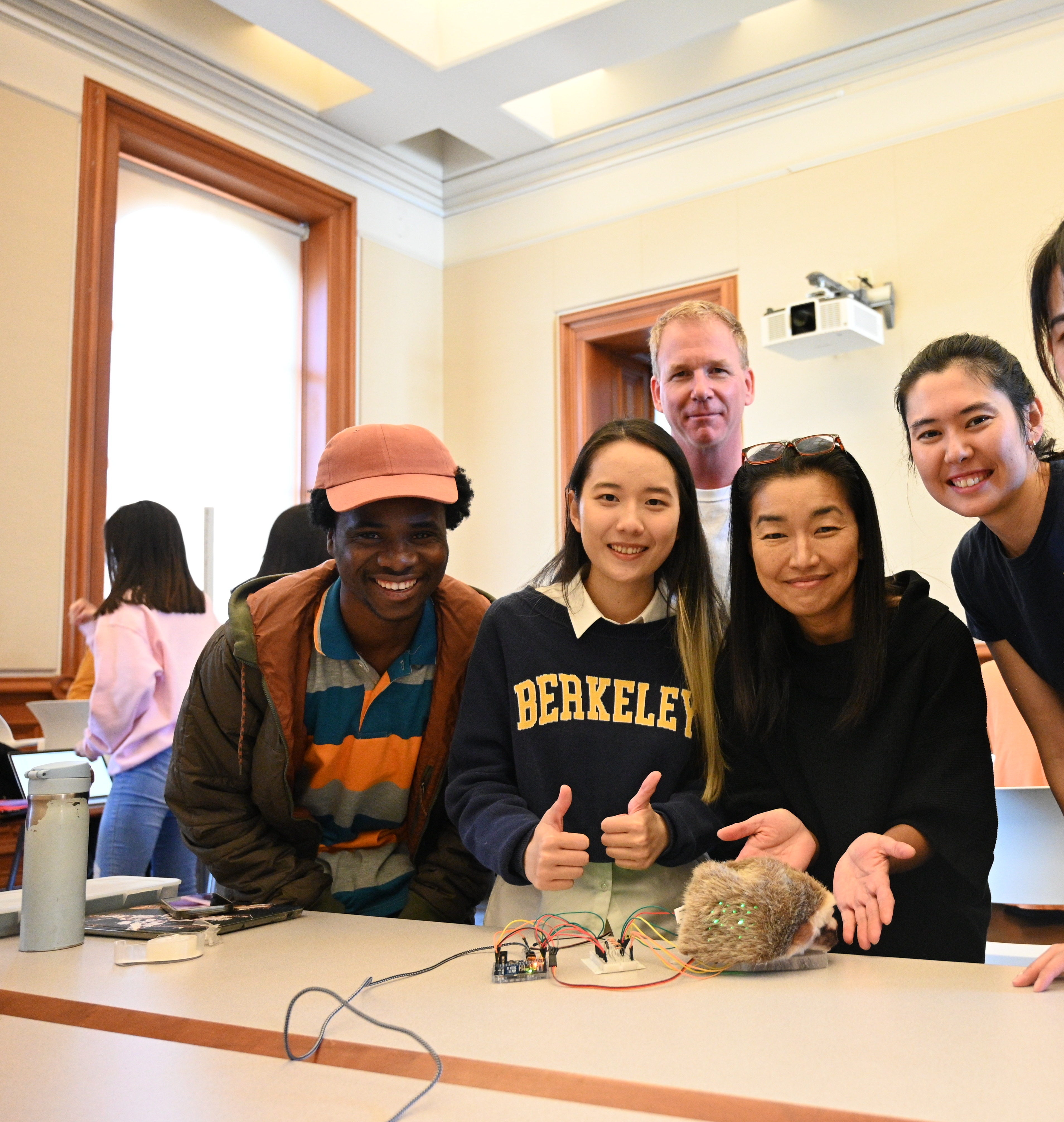
Project Presentation
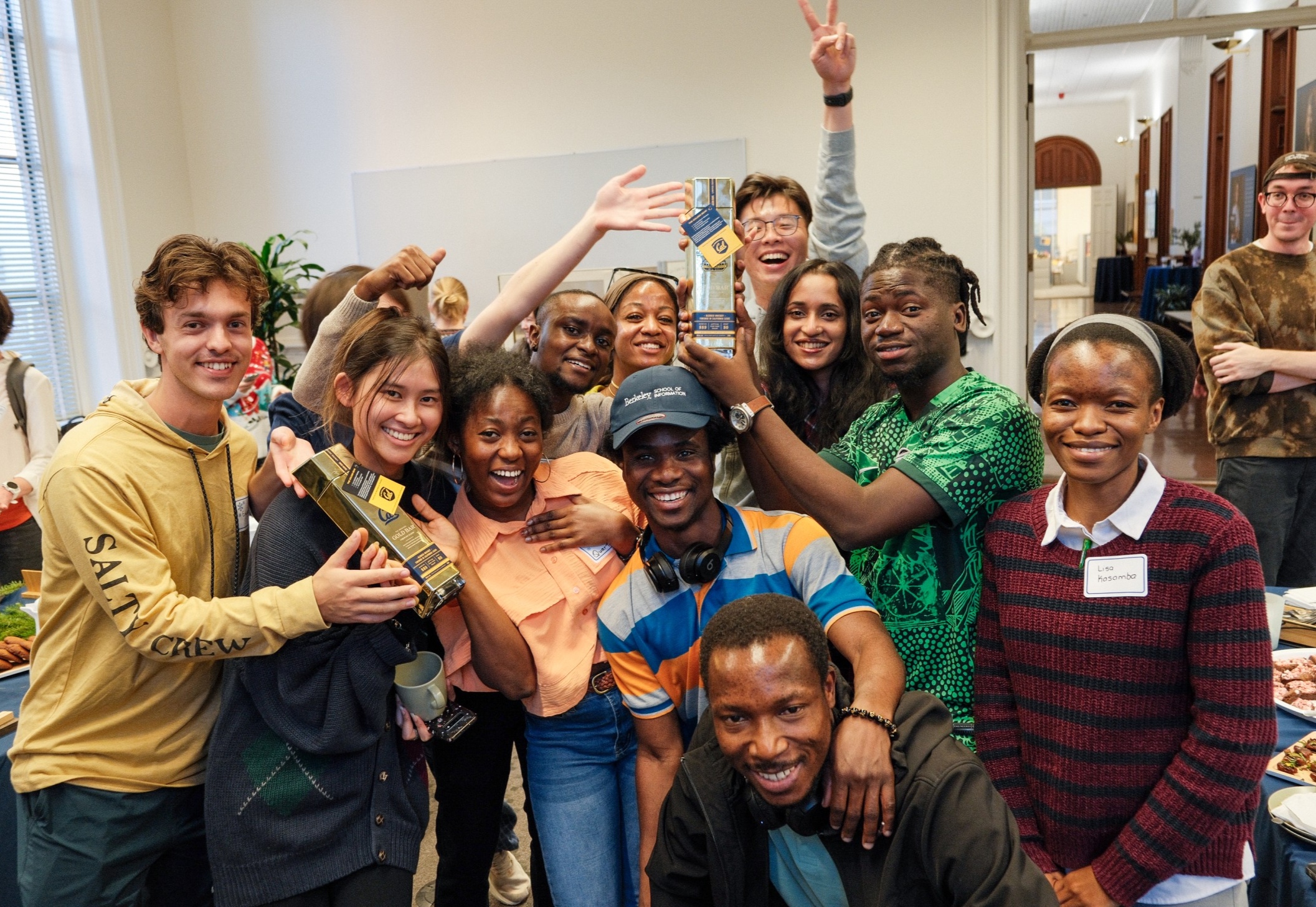
MIMS Celebrations

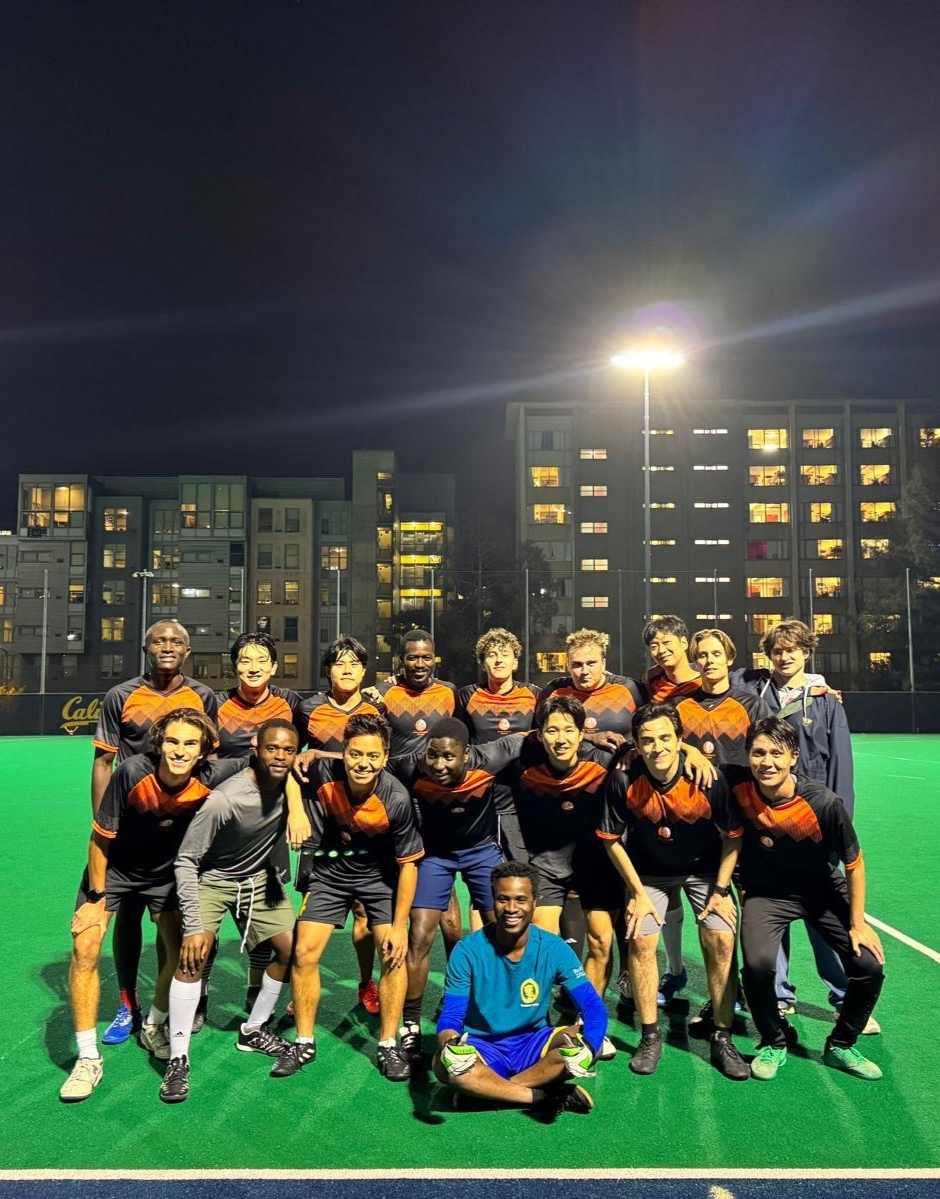
Keeper in IM League team
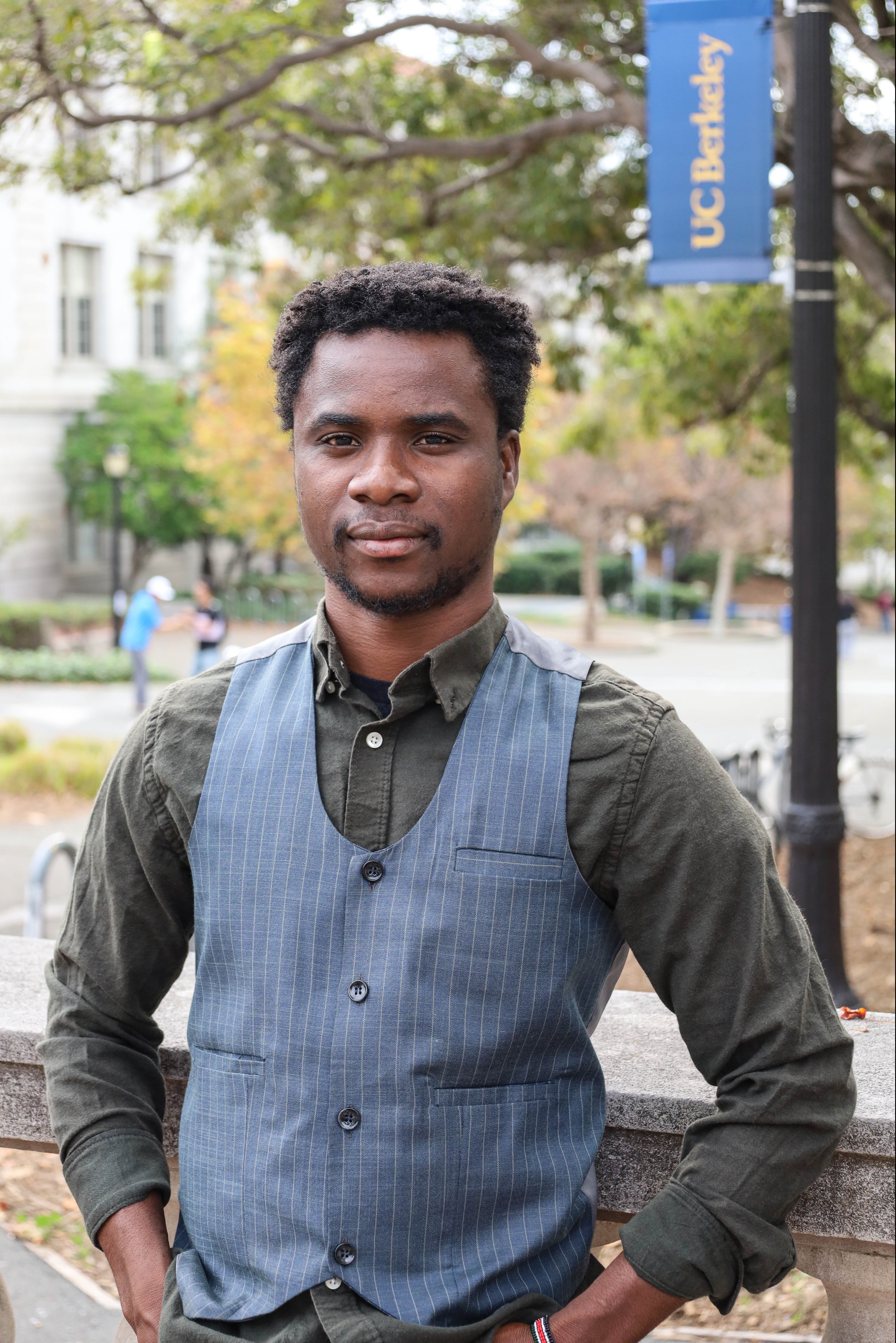
South Hall

Playing Tennis at Rose Garden
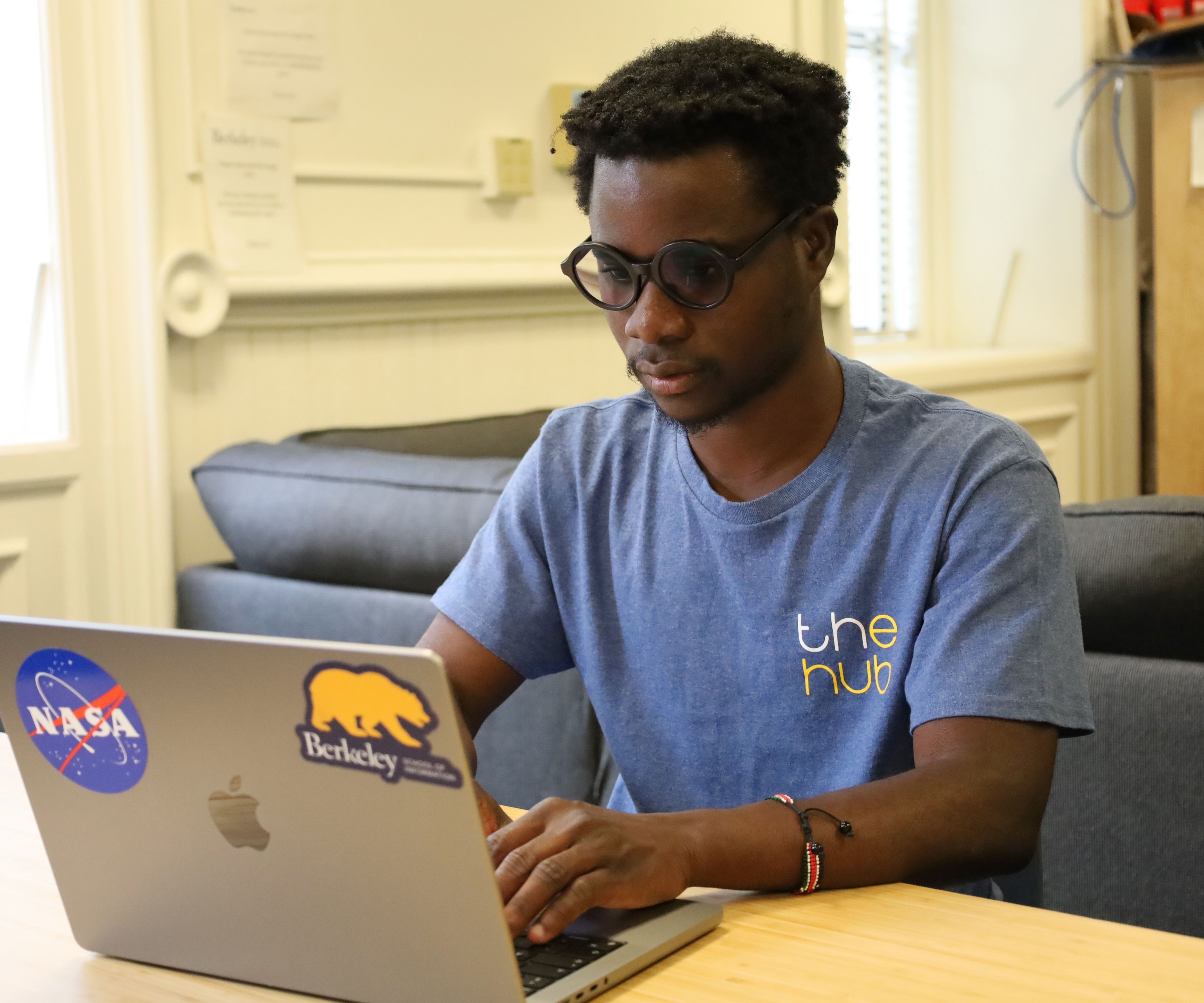
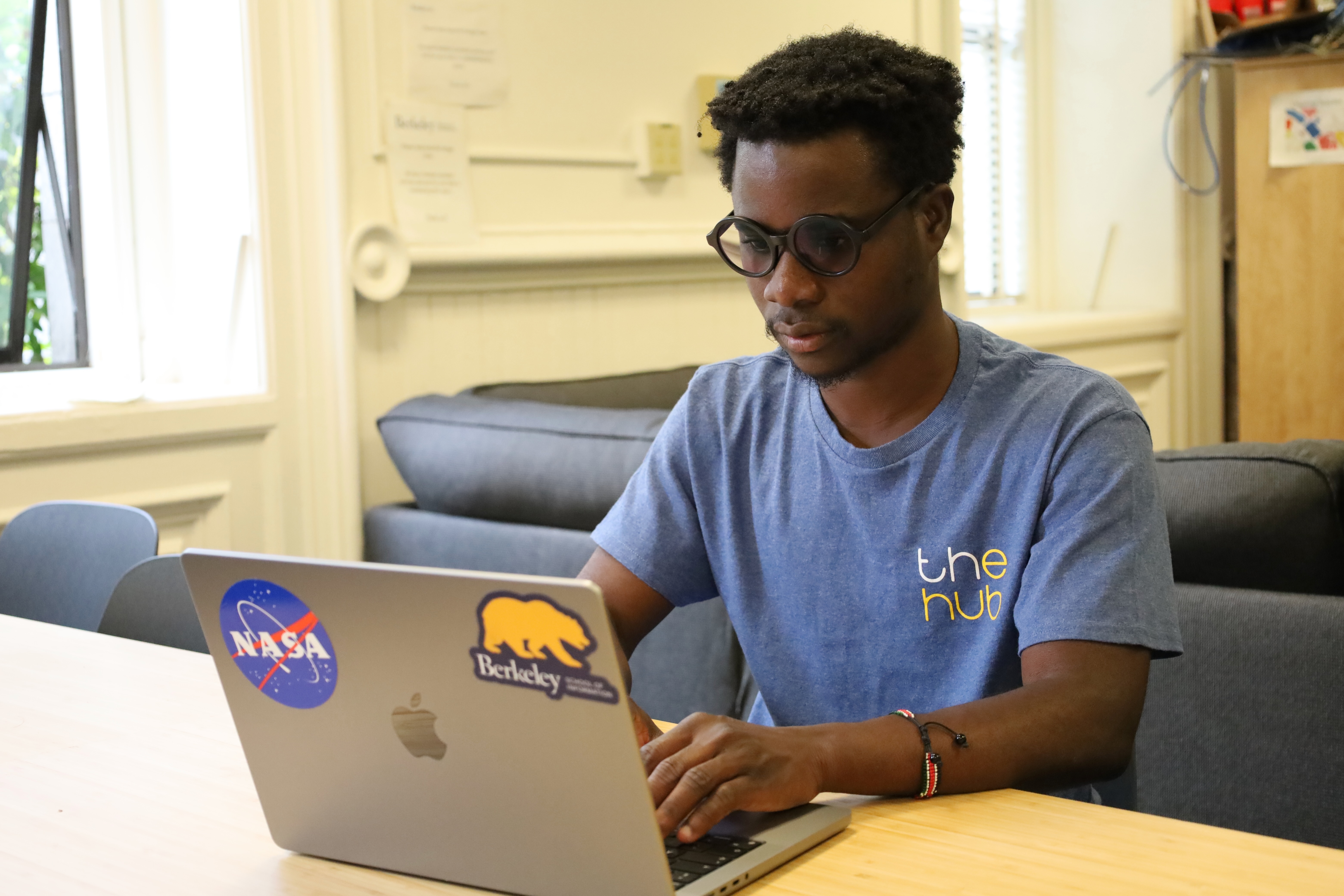
Programming at South Hall
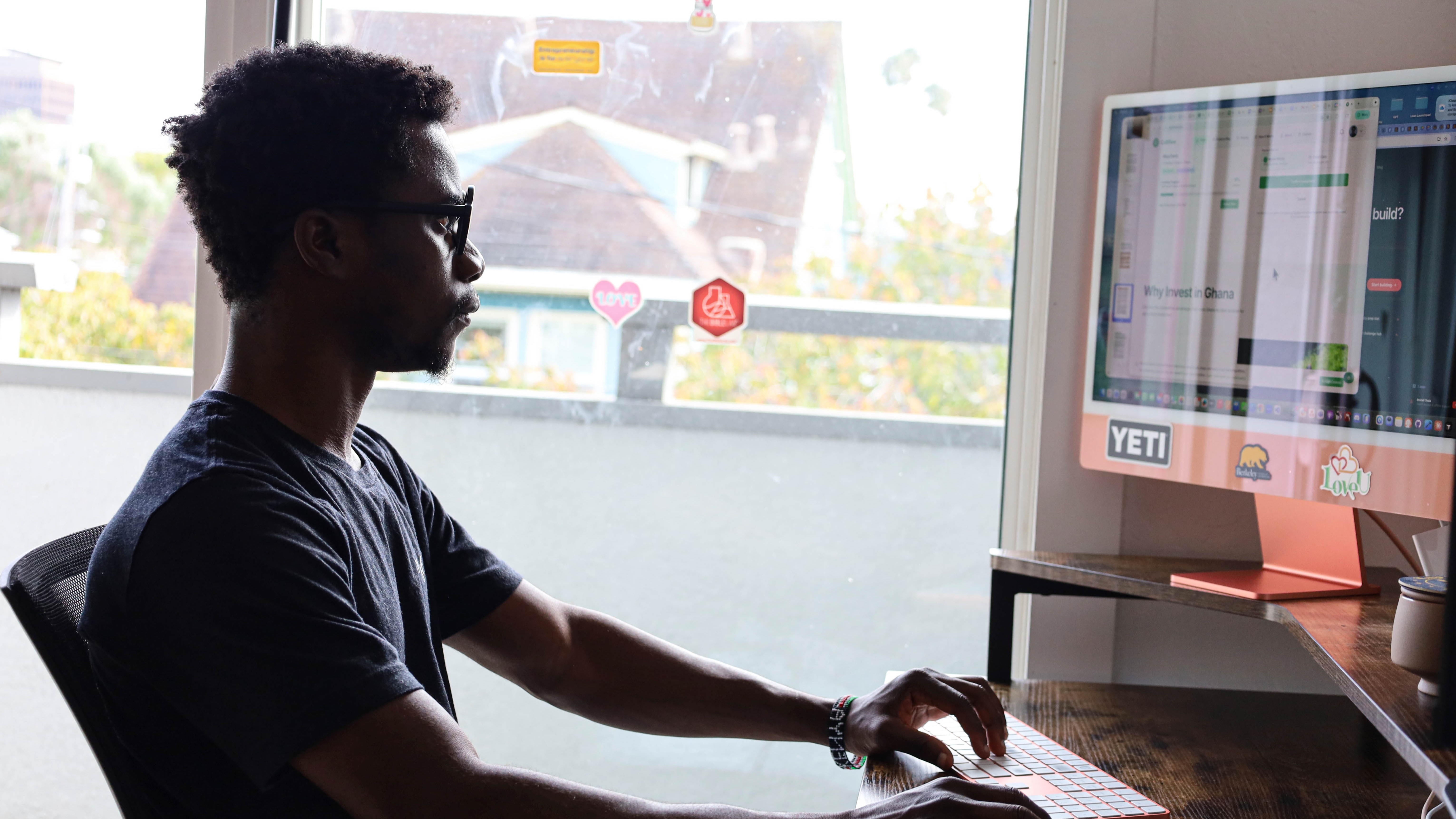
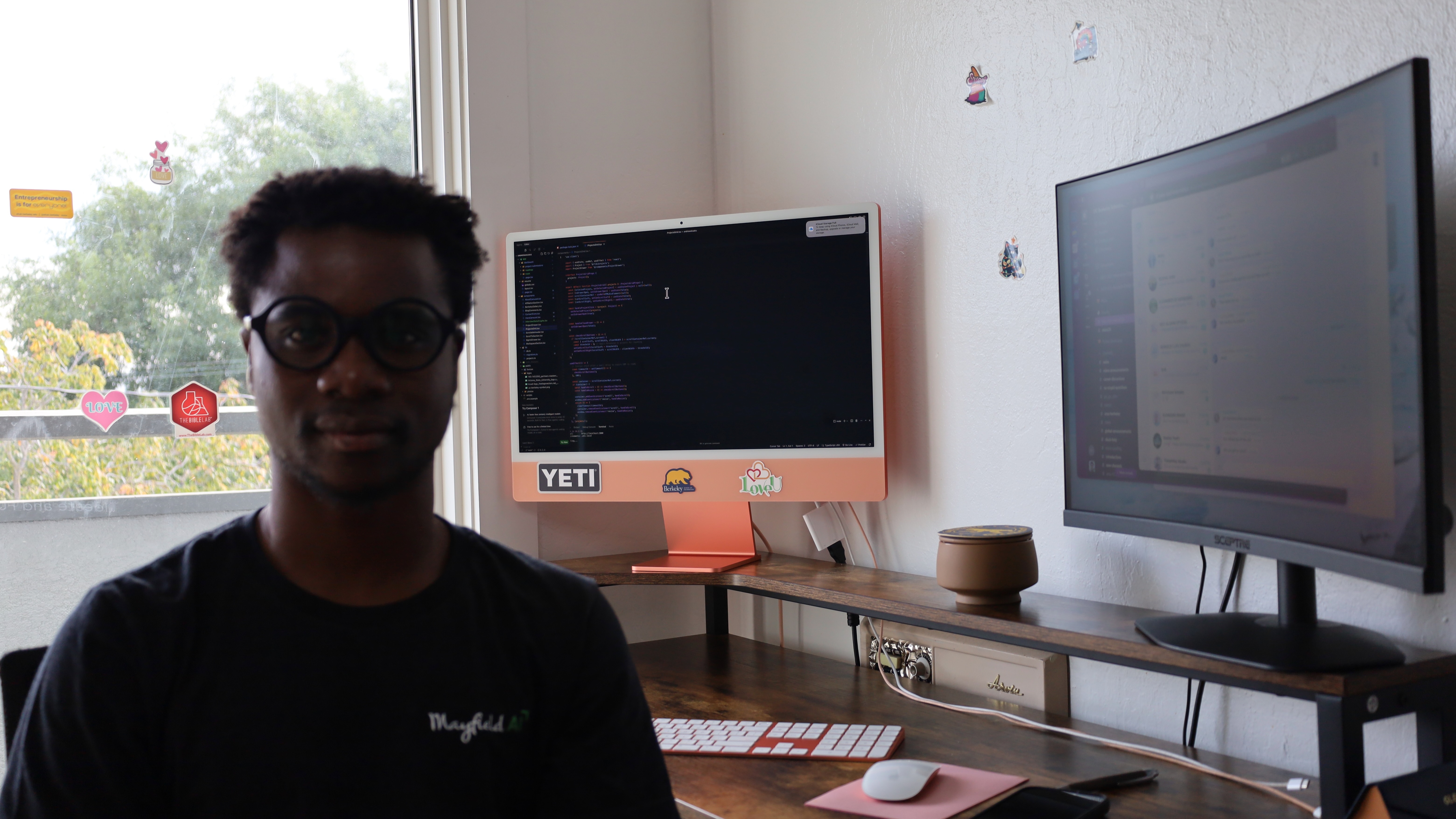
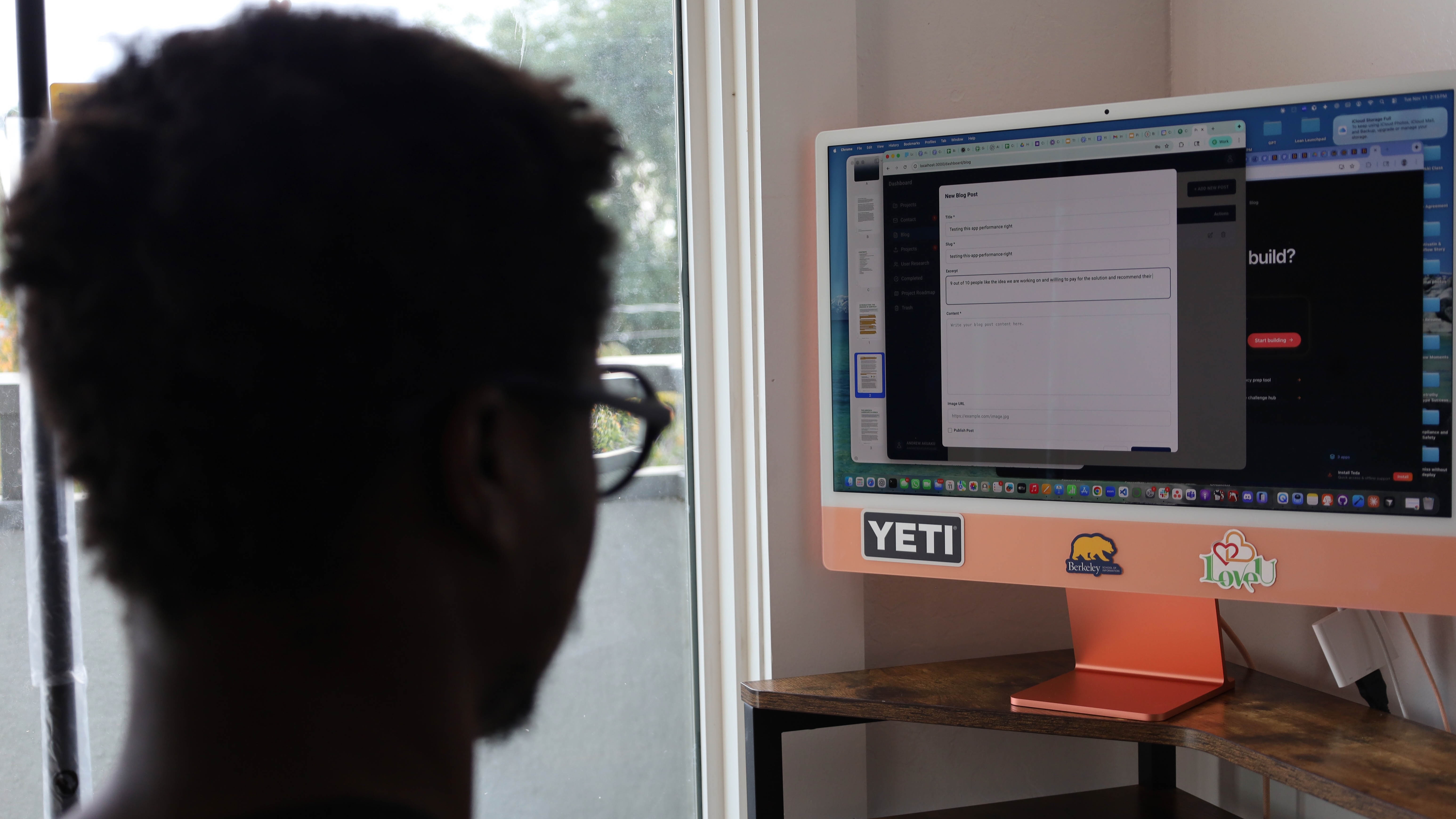
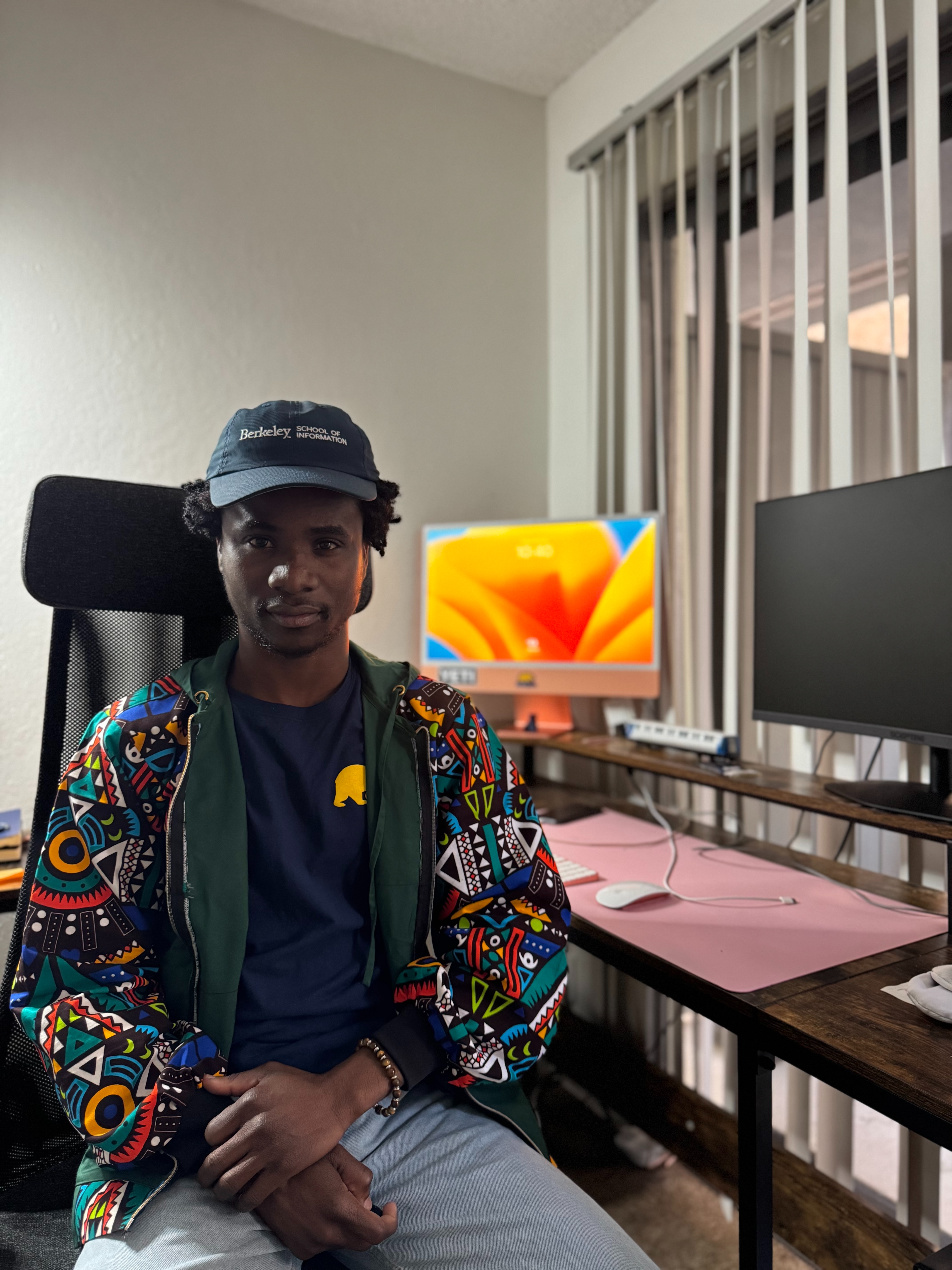
My Workspace
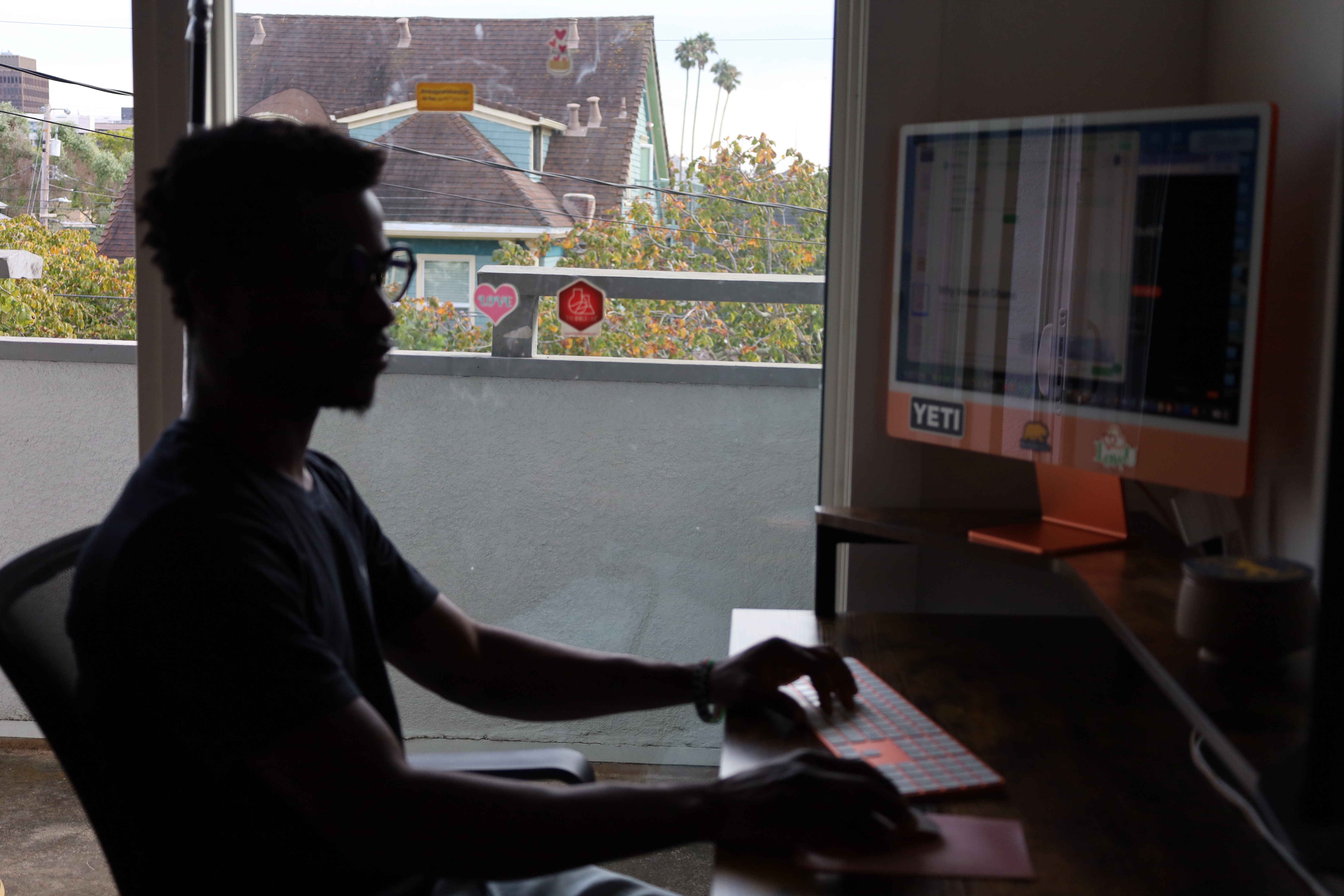
Drewq
This is where I spend 90% of my time: sleeping, working on assignments, and building tools people don't need while learning how to build tools people actually need.